The 2024 Formula 1 season introduces revolutionary technical regulations that promise to shake up the grid. Three new teams join the competition, expanding the field to its largest in decades. Behind-the-scenes politics and engineering battles intensify as teams adapt to the sport's new era.
The 2024 Formula 1 season stands poised to deliver one of the most dramatic transformations in the sport's history, as sweeping technical changes combine with an expanded grid to create unprecedented challenges and opportunities for teams and drivers alike. The introduction of new aerodynamic regulations, sustainable fuel requirements, and the arrival of three new teams promises to reshape the competitive landscape of motorsport's premier category.
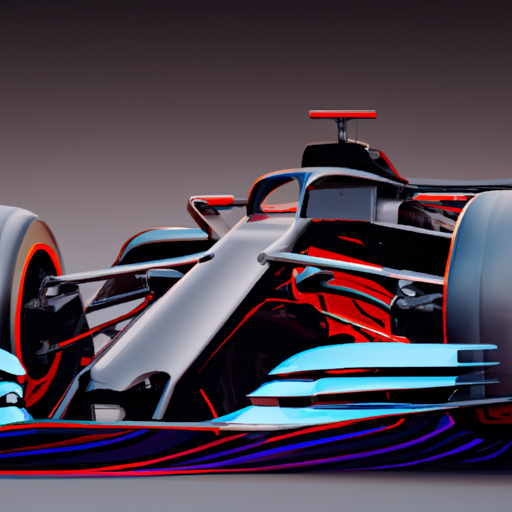
At the heart of the 2024 changes lies a fundamental shift in aerodynamic philosophy. The new technical regulations aim to promote closer racing while reducing the sport's environmental impact. Teams must now design cars with simplified front wings and revised underbody aerodynamics that generate downforce through ground effect rather than traditional over-body airflow. This change should allow cars to follow each other more closely, potentially leading to more overtaking opportunities.
The expanded grid marks another significant milestone, with the addition of Andretti Cadillac Racing, Panthera Team Asia, and Audi Sport bringing the total number of teams to thirteen. This expansion represents the largest Formula 1 grid since 1995 and introduces new technical partnerships that could challenge the established order. Andretti's entry, backed by General Motors' technical expertise, has already demonstrated promising pace in pre-season testing.
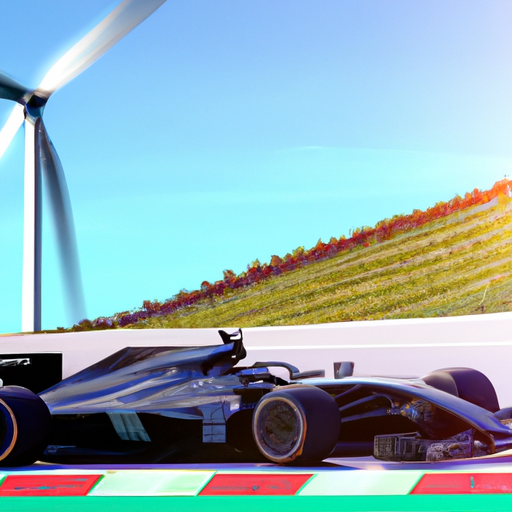
Power unit regulations have evolved to require engines to run on 100% sustainable fuel, a change that has forced manufacturers to significantly redesign their power units. This technical challenge has created opportunities for some teams to close the performance gap, while others struggle to maintain their previous advantages. The new fuel composition has particularly impacted engine reliability, with several teams experiencing teething problems during testing.
The driver market has responded dramatically to these changes. Several high-profile moves have reshuffled the grid, with experienced drivers sought after for their development capabilities during this transition period. Young talents face increased pressure to adapt quickly to the new technical requirements while competing against an expanded field of experienced competitors.
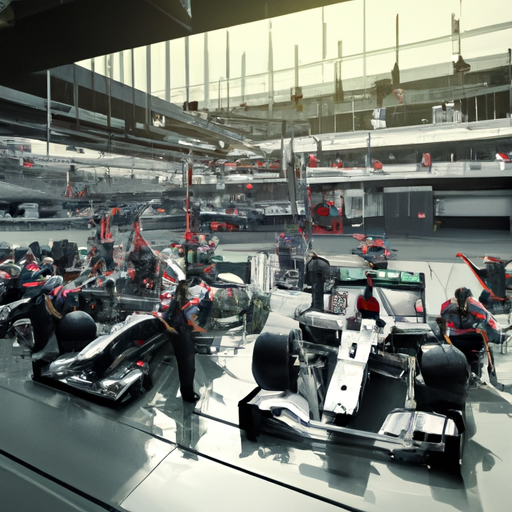
Infrastructure requirements have also evolved to accommodate the larger grid. Race venues have upgraded their facilities, and the logistics of moving an expanded circus around the world have required careful planning. The increased number of teams has led to modified practice sessions and qualifying formats to ensure all cars have adequate track time.
Financial regulations continue to play a crucial role, with the cost cap adjusted to account for inflation and the challenges of developing cars under the new technical framework. The addition of new teams has prompted discussions about prize money distribution and commercial rights, leading to intense negotiations between team principals and Formula 1 management.
The technical partnerships between teams have become increasingly important under the new regulations. Sharing of non-listed parts and technical knowledge has evolved, with some teams forming closer alliances while others pursue completely independent development paths. This dynamic adds another layer of complexity to the competitive landscape.
Sustainability initiatives extend beyond just fuel composition. Teams must now meet strict targets for carbon reduction in their operations, from manufacturing to transport. This environmental focus has sparked innovation in materials science and manufacturing processes, with several teams pioneering new recycling technologies and sustainable composite materials.
Track action has already demonstrated the impact of these changes. Pre-season testing revealed significantly different performance characteristics compared to previous years. The new aerodynamic regulations have created cars that behave differently in turbulent air, requiring drivers to adapt their racing style and strategy accordingly.
The expansion of the grid has intensified midfield battles, with more teams fighting for points-paying positions. This increased competition has led to more strategic variety during races, as teams explore different approaches to maximize their opportunities in an increasingly crowded field.
Behind the scenes, political maneuvering continues as teams and manufacturers position themselves for future success. Discussions about future technical regulations and commercial agreements have become more complex with the addition of new stakeholders, each bringing their own priorities and perspectives to the table.
As the season progresses, the true impact of these changes will become clearer. The combination of new technical regulations, sustainable technologies, and an expanded grid represents one of the most significant transformations in Formula 1's history. Whether these changes will achieve their goals of closer racing and reduced environmental impact while maintaining the sport's technical excellence remains to be seen, but the 2024 season promises to be one of the most fascinating in recent memory.