Major automakers announce breakthrough developments in solid-state battery technology that promise to revolutionize electric vehicles. New batteries offer triple the range and five-minute charging times compared to current lithium-ion technology. Manufacturing scale-up is planned to begin by 2025.
The automotive industry is on the cusp of a revolutionary breakthrough as several major manufacturers announce significant progress in solid-state battery technology. This development promises to address the primary concerns that have held back widespread electric vehicle adoption: range anxiety, charging time, and battery longevity.
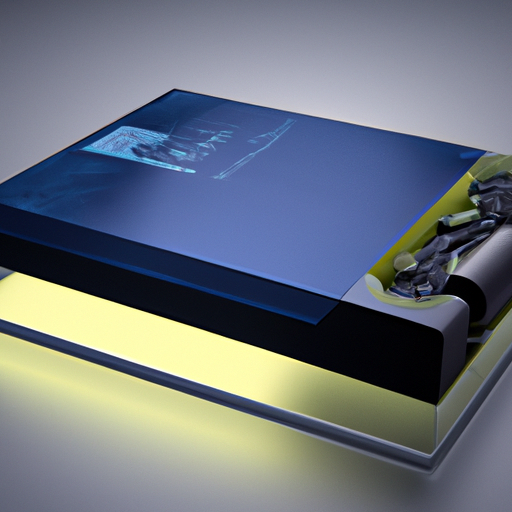
Solid-state batteries represent a fundamental shift from traditional lithium-ion technology. Instead of using liquid electrolytes, these new batteries employ solid compounds that enable more efficient energy storage and transfer. The result is a battery that can store significantly more energy in the same space while being inherently safer and more stable.
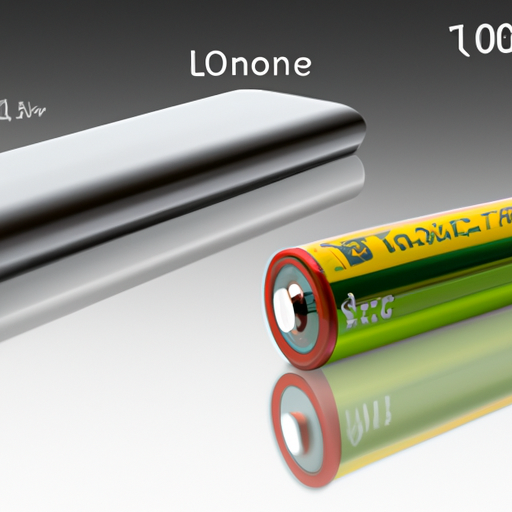
Toyota, in partnership with Panasonic, has emerged as a frontrunner in this technology race, having successfully developed a prototype that demonstrates remarkable performance metrics. Their solid-state batteries have achieved energy densities exceeding 400 Wh/kg, compared to the roughly 250 Wh/kg of current lithium-ion batteries. This translates to electric vehicles that could travel up to 700 miles on a single charge - more than double the range of today's best EVs.
Perhaps even more impressive is the charging capability of these new batteries. Tests have shown that they can achieve an 80% charge in just five minutes under optimal conditions. This breakthrough essentially eliminates one of the biggest practical obstacles to EV adoption, making electric vehicles as convenient to refuel as traditional gasoline-powered cars.
The technology also addresses safety concerns that have plagued lithium-ion batteries. Solid-state batteries are far less prone to thermal runaway - the chemical reaction that can cause conventional batteries to catch fire. They also maintain their performance across a wider temperature range, reducing the need for complex cooling systems.
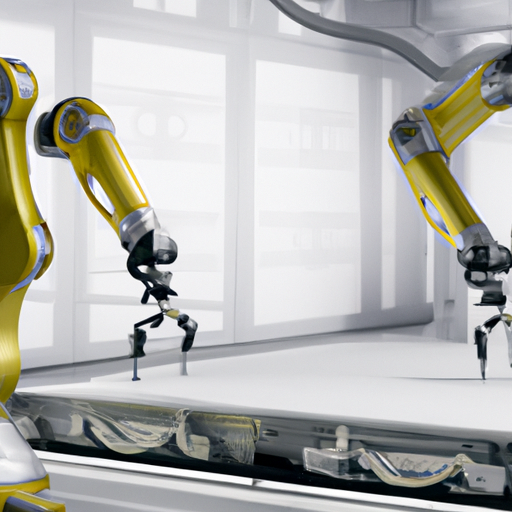
Manufacturing scalability has been a significant challenge in solid-state battery development, but recent advancements in production techniques are showing promise. Several manufacturers have developed new methods for producing the solid electrolyte materials at scale, with costs projected to become competitive with current lithium-ion batteries by 2027.
The implications for the automotive industry are profound. Volkswagen Group has already announced plans to integrate solid-state batteries into their production vehicles starting in 2025, beginning with high-end models. Other manufacturers, including Ford, GM, and Mercedes-Benz, have made substantial investments in solid-state battery technology and are racing to bring their own versions to market.
Beyond the immediate benefits for electric vehicles, solid-state batteries could have far-reaching effects on the entire energy storage sector. The technology's improved energy density and safety characteristics make it attractive for applications ranging from consumer electronics to grid-scale energy storage.
The environmental impact is also significant. Solid-state batteries typically require less critical raw materials than traditional lithium-ion batteries, and their longer lifespan - estimated at 12-15 years compared to 8-10 years for current technology - means less frequent replacement and recycling needs.
However, challenges remain before widespread adoption becomes reality. Manufacturing processes need to be refined and scaled up significantly to meet projected demand. The industry must also establish reliable supply chains for new materials and components specific to solid-state technology.
Investment in this technology continues to grow, with global funding for solid-state battery development exceeding $15 billion in the past two years alone. This massive influx of capital reflects the industry's confidence in the technology's potential to transform the automotive sector.
As the technology matures, we're likely to see a rapid transition in the electric vehicle market. The combination of extended range, fast charging, and improved safety could finally convince skeptical consumers to make the switch to electric vehicles. Industry analysts predict that by 2030, solid-state batteries could power up to 30% of new electric vehicles sold globally.
The race to commercialize solid-state batteries has become one of the most significant technological competitions in automotive history, with the potential winners standing to gain enormous advantages in the rapidly evolving electric vehicle market. As development continues at an unprecedented pace, the next few years will be crucial in determining which manufacturers successfully bring this revolutionary technology to market.