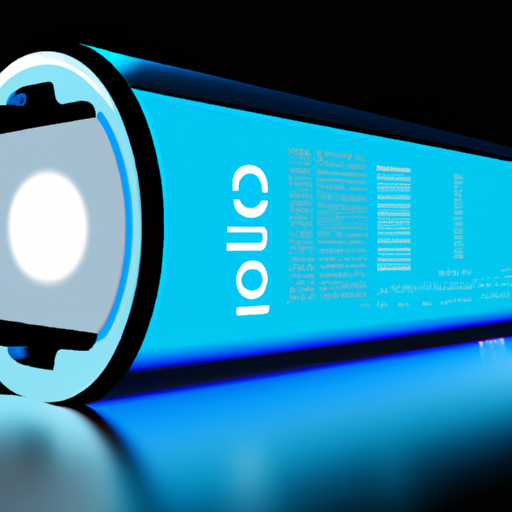

Solid-state battery technology promises to revolutionize electric vehicles with faster charging times and longer range. Major automakers are investing billions in this groundbreaking technology with production models expected by 2025. These new batteries could finally eliminate range anxiety and make EVs practical for everyone.
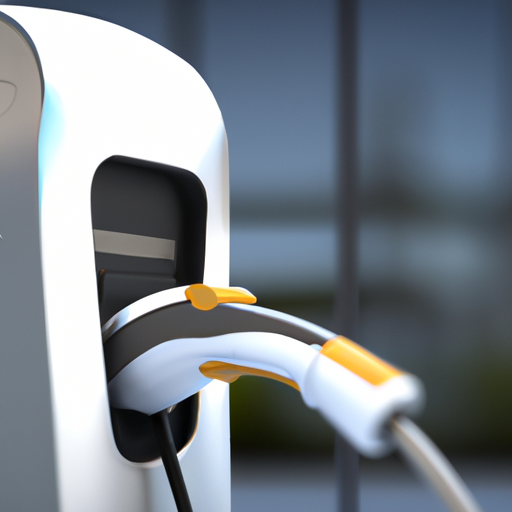
The automotive industry stands on the brink of a technological breakthrough that could fundamentally transform electric vehicles as we know them. Solid-state batteries, long considered the holy grail of energy storage technology, are moving from laboratory experiments to commercial reality, promising to address the key limitations that have held back widespread EV adoption.
Unlike conventional lithium-ion batteries that use liquid electrolytes, solid-state batteries employ solid electrolyte materials to transfer ions between electrodes. This seemingly simple change in chemistry brings numerous advantages that could revolutionize electric vehicle performance, safety, and practicality.
One of the most significant benefits of solid-state technology is its potential to dramatically reduce charging times. Current estimates suggest that solid-state batteries could achieve an 80% charge in just 10 minutes, compared to the 30-40 minutes required by today's best liquid electrolyte systems. This improvement alone could make electric vehicles as convenient to refuel as traditional gasoline-powered cars.
Range anxiety, perhaps the biggest concern among potential EV buyers, could become a thing of the past. Solid-state batteries offer energy densities two to three times higher than current lithium-ion technology, potentially enabling ranges of 500-600 miles on a single charge. This increased energy density also means batteries can be smaller and lighter, improving vehicle dynamics and efficiency.
Safety represents another crucial advantage of solid-state technology. The solid electrolyte is non-flammable and more stable than liquid alternatives, virtually eliminating the risk of battery fires that have occasionally plagued electric vehicles. This enhanced safety profile could reduce manufacturing costs by simplifying cooling systems and protective structures.
Major automakers are making substantial investments in solid-state technology. Toyota, long considered a leader in this field, has announced plans to launch its first solid-state battery vehicle by 2025. The company has already demonstrated prototype cells that have completed over 1,000 charge cycles while maintaining 90% of their original capacity.
Volkswagen has partnered with QuantumScape, investing over $300 million in the promising startup. Recent test results show their solid-state cells maintaining 80% capacity after 800 charge cycles, with charging times under 15 minutes. These results suggest commercial viability could be achieved sooner than initially expected.
The manufacturing challenges of solid-state batteries are significant but not insurmountable. The primary obstacle has been producing solid electrolytes that can maintain good ionic conductivity while being durable enough for automotive applications. Recent breakthroughs in materials science and manufacturing processes have brought solutions to these challenges within reach.
Cost remains a critical factor in the widespread adoption of any new technology. While initial solid-state batteries will likely carry a premium price, economies of scale and continued development are expected to bring costs in line with current lithium-ion technology by 2030. Some analysts predict solid-state batteries could eventually become cheaper to produce than traditional batteries due to simpler manufacturing processes and less expensive materials.
The environmental impact of solid-state batteries could also be significantly lower than current technology. The simpler chemistry and longer lifespan mean fewer batteries will need to be produced and recycled. Additionally, some solid-state designs eliminate the need for costly and environmentally problematic materials like cobalt.
The transition to solid-state technology will likely occur gradually, with premium vehicles leading the way. This approach allows manufacturers to refine the technology and scale production while the cost premium can be more easily absorbed in higher-end vehicles. Mass-market applications are expected to follow as manufacturing capabilities expand and costs decrease.
Infrastructure requirements will also evolve to support the capabilities of solid-state batteries. Current DC fast-charging stations will need upgrades to deliver the higher power levels required for rapid charging. However, the improved efficiency of solid-state batteries means that existing electrical grid infrastructure may be better able to handle widespread adoption of electric vehicles.
As we look toward the future of automotive technology, solid-state batteries represent more than just an incremental improvement in energy storage. They promise to address the fundamental limitations that have held back electric vehicle adoption, potentially accelerating the global transition to sustainable transportation. With major manufacturers committed to commercialization and promising test results emerging regularly, the electric vehicle revolution may be about to enter its next transformative phase.