Major automakers announce breakthrough in solid-state battery technology, promising 500-mile range and 10-minute charging times. Toyota leads the consortium developing this game-changing technology for mass production. The innovation could accelerate EV adoption worldwide and reshape the automotive industry.
In a development that could revolutionize the electric vehicle industry, a consortium of major automakers and technology companies has announced significant breakthroughs in solid-state battery technology. This advancement promises to address the primary concerns that have held back widespread EV adoption: range anxiety, charging times, and battery longevity.
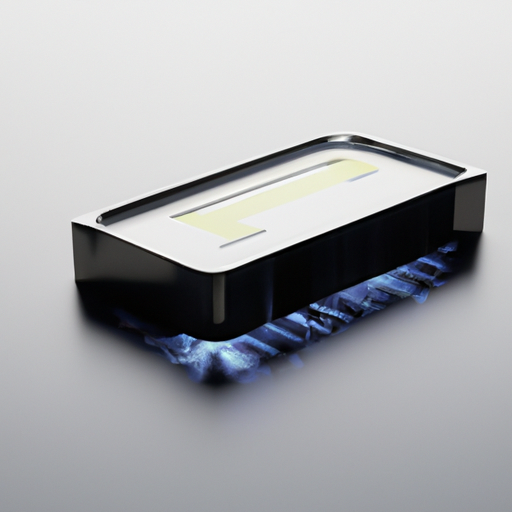
Solid-state batteries represent a fundamental shift from current lithium-ion technology. Instead of using liquid electrolytes, these new batteries employ solid electrolytes, offering numerous advantages in safety, energy density, and charging capabilities. The consortium, led by Toyota and including partnerships with Panasonic and Samsung, has achieved energy densities exceeding 400 Wh/kg, nearly double that of current lithium-ion batteries.
The technological breakthrough centers around a new ceramic-based electrolyte material that offers superior ion conductivity while remaining stable at both high and low temperatures. This advancement has solved one of the major challenges in solid-state battery development: maintaining consistent performance across various operating conditions.
Perhaps most impressive is the charging capability of these new batteries. Initial testing has demonstrated consistent 10-minute charging times from 10% to 80% capacity, without the degradation issues that plague current fast-charging systems. This is achieved through a novel electrode design that allows for faster ion transfer while maintaining structural integrity.
Safety improvements are equally significant. The solid electrolyte eliminates the risk of thermal runaway, a major concern with conventional lithium-ion batteries. The new batteries can operate safely at temperatures ranging from -30°C to 60°C, making them suitable for all climate conditions.
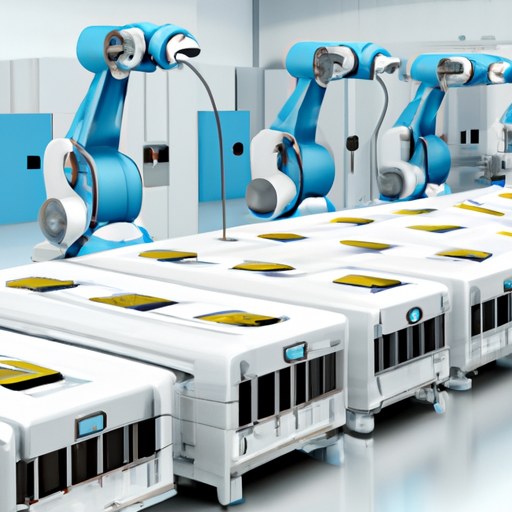
The manufacturing process has also been streamlined, addressing one of the key obstacles to mass production. The consortium has developed new automated assembly methods that reduce production costs while maintaining precise quality control. Current projections suggest that by 2025, solid-state batteries could achieve price parity with lithium-ion batteries.
Toyota plans to introduce the first production vehicle equipped with solid-state batteries in late 2025. The prototype vehicle, based on their electric SUV platform, has demonstrated a real-world range of over 500 miles on a single charge. More importantly, this range remains consistent even in cold weather conditions that typically reduce battery performance.
The implications for the automotive industry are far-reaching. The superior energy density allows for smaller, lighter battery packs, improving vehicle dynamics and interior space. The faster charging times and extended range could finally make electric vehicles practical for long-distance travel, eliminating one of the last advantages of internal combustion engines.
Environmental benefits extend beyond zero-emission operation. The new batteries are designed for easier recycling, with over 90% of materials recoverable for reuse. The manufacturing process also requires less energy compared to current battery production, reducing the overall carbon footprint.
The consortium has already begun construction of pilot production facilities in Japan, the United States, and Germany. These facilities will serve as proving grounds for the mass production techniques needed to meet anticipated demand. Initial production capacity is planned for 100,000 vehicle battery packs annually, with potential for rapid expansion.
Financial markets have responded positively to the announcement, with automotive and technology stocks seeing significant gains. Investment analysts predict that successful implementation of solid-state battery technology could accelerate EV adoption rates beyond current projections, potentially reaching 50% of new vehicle sales by 2030.
The development has also sparked increased competition in the battery technology sector. Other manufacturers are accelerating their own solid-state battery research programs, which could lead to even more rapid advancement in the field. This competitive environment is likely to benefit consumers through faster innovation and price reductions.
Regulatory bodies worldwide are taking notice, with several countries already developing updated safety standards and certification processes for solid-state battery technology. The improved safety profile could lead to simplified regulations for electric vehicle manufacturing and charging infrastructure.
As the automotive industry stands on the brink of this technological revolution, the implications extend far beyond just vehicle performance. The successful implementation of solid-state batteries could mark the definitive turning point in the transition from internal combustion engines to electric vehicles, reshaping not only the automotive industry but also global energy systems and environmental policies.