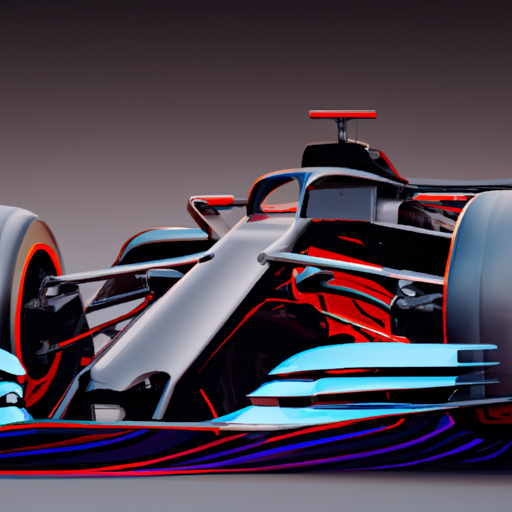
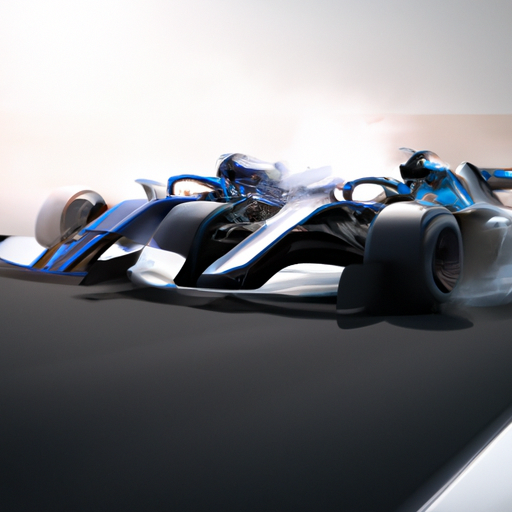
The 2024 Formula 1 season introduces revolutionary changes that promise the closest racing in decades. New aerodynamic regulations and sustainable fuel requirements are leveling the playing field among teams. Multiple teams now have a realistic shot at challenging Red Bull's dominance.
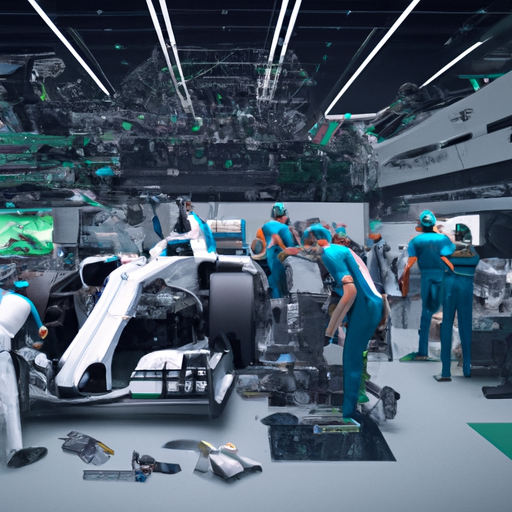
The 2024 Formula 1 season marks a transformative year for motorsport's premier category, introducing changes that could fundamentally alter the competitive landscape. From technical innovations to sustainability initiatives, this season represents a pivotal moment in F1's evolution.
Technical Revolution The most significant changes for 2024 focus on aerodynamics and power unit regulations. Teams have adapted to refined ground effect rules designed to promote closer racing while maintaining high performance levels. The modified floor designs and simplified wing configurations reduce the 'dirty air' effect that previously made following other cars difficult. Early season testing suggests these changes have achieved their intended effect, with drivers reporting improved ability to maintain close proximity through high-speed corners.
Power Unit Progress The introduction of 100% sustainable fuel marks a milestone in F1's environmental commitment. This new fuel specification maintains performance while reducing carbon emissions by over 60% compared to previous formulations. Engine manufacturers have successfully adapted their power units to maintain reliability and performance with the new fuel, though some teams have found additional performance gains through innovative combustion strategies.
Team Dynamics Red Bull Racing enters 2024 defending their championship titles, but facing stronger competition. Ferrari's winter development program has yielded significant improvements in both power unit efficiency and aerodynamic performance. Mercedes has finally resolved their bouncing issues, returning to form with a car that drivers can push to its limits consistently. McLaren continues their upward trajectory, building on their strong finish to the previous season.
Driver Market Shifts The driver lineup sees several interesting changes for 2024. Young talents have earned promotions to top teams, while experienced veterans face increasing pressure to perform. The compressed midfield battle means driver skill could make a more significant difference than in recent years, potentially leading to unexpected podium finishes throughout the season.
Race Format Evolution The sprint race format has been refined based on feedback from teams and fans. The new structure provides more meaningful racing while maintaining the importance of the main Grand Prix. Points allocation has been adjusted to better reward risk-taking in sprint events without diminishing the significance of Sunday's race.
Technology Integration F1's role as a technology incubator continues to strengthen. New sensor systems provide fans with unprecedented insight into car performance and driver technique. Augmented reality graphics enhance broadcast coverage, helping viewers understand the complex strategies and technical aspects of modern F1 racing.
Sustainability Focus Beyond sustainable fuels, F1 has implemented comprehensive sustainability initiatives across all operations. Race weekends now operate with significantly reduced carbon footprints through renewable energy usage, waste reduction programs, and local sourcing requirements. Teams have embraced these challenges, developing innovative solutions that could benefit wider automotive industry applications.
Fan Experience Enhancement The 2024 season introduces new ways for fans to engage with the sport. Enhanced digital platforms provide real-time access to team radio, strategy information, and alternative camera angles. Virtual and augmented reality experiences allow fans to immerse themselves in the garage environment or experience driving sensations through sophisticated simulators.
Circuit Evolution Track modifications at several venues optimize racing opportunities while maintaining safety standards. New corners and adjusted run-off areas encourage overtaking while preserving the challenging nature of iconic circuits. The calendar maintains a balance between historic venues and modern facilities, each presenting unique challenges for teams and drivers.
Commercial Growth F1's global appeal continues to expand, particularly in key markets like the United States and China. New sponsorship categories reflect changing consumer interests, with increased presence from technology and sustainability-focused brands. Media rights deals have been structured to improve accessibility while maintaining premium content value.
Safety Advancements The constant push for improved safety has yielded new developments in crash structure design and driver protection systems. Lessons learned from previous incidents have been incorporated into both car design requirements and circuit safety features. The balance between safety and maintaining F1's essence as the pinnacle of motorsport remains carefully managed.
Conclusion The 2024 Formula 1 season represents a significant evolution in the sport's history. The combination of technical innovation, sustainability initiatives, and competitive balance measures creates conditions for potentially the most exciting season in recent memory. As teams and drivers adapt to these changes, fans can anticipate closer racing, more overtaking opportunities, and unprecedented access to the sport they love. The true impact of these changes will unfold throughout the season, but early indicators suggest Formula 1 has successfully positioned itself for a thrilling new era of competition.