Breakthrough solid-state battery technology promises to revolutionize electric vehicles with 500+ mile range and 10-minute charging times. Major automakers are racing to be first to market with this game-changing technology. This detailed analysis explores how solid-state batteries will reshape the automotive landscape.
The automotive industry stands on the brink of a technological revolution that could finally deliver the holy grail of electric vehicle adoption: batteries that combine exceptional range, rapid charging, enhanced safety, and longer lifespan. Solid-state batteries, long considered the next frontier in energy storage, are moving from laboratory promise to production reality, with several major automakers announcing breakthrough developments that could reach the market within the next two years.
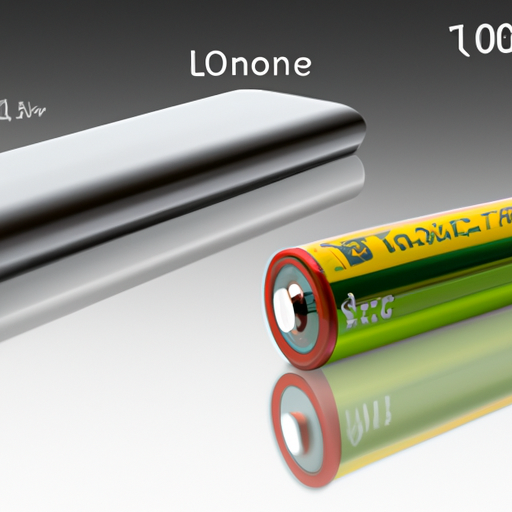
Unlike conventional lithium-ion batteries that use liquid electrolytes, solid-state batteries employ solid electrolyte materials to transfer ions between electrodes. This fundamental change in architecture brings multiple advantages that address the primary concerns currently limiting EV adoption. The most immediate benefit is energy density - solid-state batteries can potentially pack up to 50% more energy into the same space, translating to significantly increased range without adding weight.
Toyota, long at the forefront of solid-state battery research, recently announced a breakthrough in their manufacturing process that could enable mass production by 2025. Their prototype vehicles equipped with solid-state batteries have demonstrated ranges exceeding 500 miles on a single charge while requiring only 10 minutes for a complete recharge. This performance leapfrogs current lithium-ion technology and could eliminate range anxiety once and for all.
Safety represents another crucial advantage of solid-state technology. The solid electrolyte is non-flammable and more stable than liquid alternatives, virtually eliminating the risk of thermal runaway that has plagued some lithium-ion batteries. This enhanced safety profile could allow for more flexible battery packaging and potentially reduce the need for complex cooling systems, further improving efficiency and reducing costs.
The durability of solid-state batteries also promises to transform the EV ownership experience. Early testing suggests these batteries can maintain 90% of their original capacity after 1000 charging cycles, significantly outperforming current technology. This longevity could extend vehicle lifespan and improve resale values, making EVs more economically attractive over the long term.
However, significant challenges remain before solid-state batteries can reach mass production. The primary hurdle involves scaling up manufacturing while maintaining consistency and quality. The precise engineering required to produce solid electrolytes at scale presents numerous technical challenges that manufacturers are racing to solve. Current production costs are also substantially higher than traditional lithium-ion batteries, though economies of scale are expected to bring prices down rapidly once production ramps up.
The competition to commercialize solid-state technology has sparked unprecedented collaboration between automakers and battery manufacturers. Volkswagen has invested heavily in QuantumScape, while BMW has partnered with Solid Power. These partnerships are accelerating development and creating redundant paths to market, increasing the likelihood of successful commercialization.
The implications for the automotive industry extend far beyond just improved performance metrics. Solid-state batteries could enable new vehicle designs by allowing more flexible battery placement and reducing cooling requirements. The technology might also facilitate faster charging networks, as the higher charging rates would require less sophisticated thermal management systems.
The environmental impact of solid-state batteries could be equally significant. The technology requires less critical raw materials than current lithium-ion batteries, potentially reducing the environmental impact of battery production. The increased lifespan also means fewer batteries will need to be produced and recycled over time, further improving sustainability metrics.
Market analysts predict that solid-state batteries could accelerate EV adoption rates dramatically once commercialized. The combination of extended range, rapid charging, and enhanced safety addresses the primary concerns that have made many consumers hesitant to switch to electric vehicles. Some projections suggest that solid-state technology could help push EV market share to over 50% by 2030 in major markets.
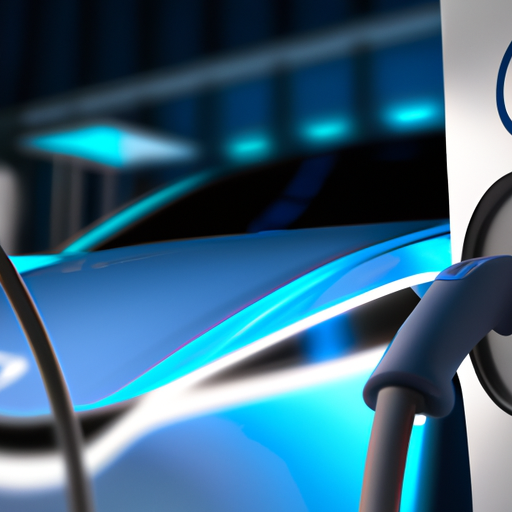
For the charging infrastructure, solid-state batteries present both opportunities and challenges. While faster charging capabilities could reduce the number of charging stations needed, the electrical grid will need significant upgrades to handle the increased power demand from rapid charging. This has sparked renewed interest in smart grid technology and energy storage solutions.
As we approach the commercialization of solid-state batteries, the automotive industry appears poised for its most significant technological leap since the introduction of electric vehicles themselves. The technology promises to address the key limitations that have constrained EV adoption while opening new possibilities for vehicle design and performance. While challenges remain, the race to market suggests we're on the cusp of a new era in automotive technology that could finally deliver on the full promise of electric mobility.