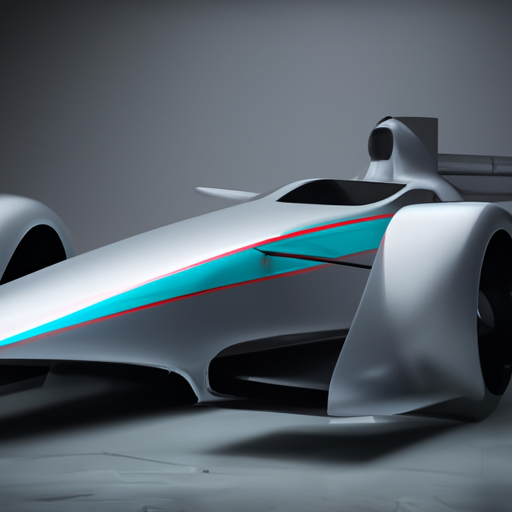
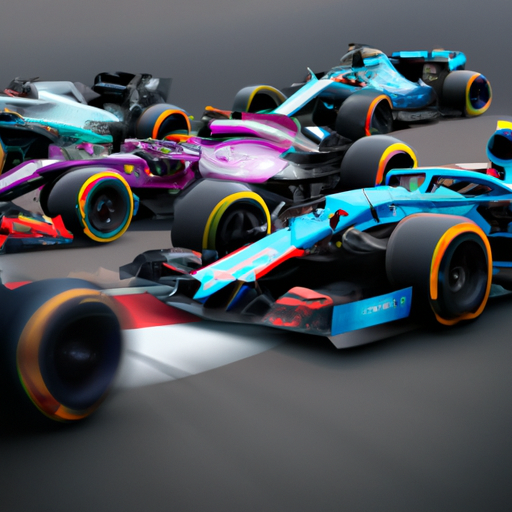
Formula 1 enters 2024 with dramatic changes including revised aerodynamic regulations and enhanced sustainable fuel requirements. A new American team joins the grid, bringing fresh competition to the sport's elite ranks. The battle between established champions and rising stars promises the most exciting season in years.

The 2024 Formula 1 season arrives with unprecedented changes that promise to reshape the world's premier motorsport series. From technical regulations to new team entries, the sport continues its evolution while maintaining its position at the cutting edge of automotive technology and competition.
Perhaps the most significant change for 2024 is the introduction of revised aerodynamic regulations aimed at promoting closer racing while maintaining the spectacular speeds that define Formula 1. The new rules focus on reducing the 'dirty air' effect that has historically made following other cars difficult, with modifications to the front wing design and floor geometry playing crucial roles in this improvement.
The technical regulations also mandate an increased percentage of sustainable components in the fuel mixture, rising to 50% for the 2024 season. This change represents another step toward Formula 1's goal of carbon neutrality by 2030 while challenging teams to maintain performance with more environmentally conscious solutions.
The grid expands to eleven teams with the addition of Andretti Cadillac Racing, marking the first successful new team entry in over a decade. The American outfit brings fresh energy and resources to the sport, along with a driver lineup that combines experienced talent with promising newcomers. Their arrival has sparked renewed interest in Formula 1 across the North American market.
Power unit development continues to evolve as manufacturers push the boundaries of hybrid technology. The current generation of power units now produces over 1000 horsepower while operating at thermal efficiencies exceeding 50%, making them among the most efficient gasoline engines ever created. These advances continue to influence road car development, maintaining Formula 1's role as a technological pioneer.
The sporting regulations have also seen refinements, with changes to the sprint race format and qualifying procedures designed to increase excitement while maintaining the integrity of the traditional Grand Prix format. The number of sprint events increases to eight for the 2024 season, with a revised points system that provides greater rewards for success in these shorter races.
Safety innovations continue to advance, with the latest generation of crash structures and driver protection systems incorporating lessons learned from previous seasons. The halo device, now an integral part of Formula 1's safety architecture, has been further refined based on real-world incident data and advanced simulation testing.
The financial regulations, introduced to create a more level playing field, enter their fourth season with tighter controls and more sophisticated monitoring systems. The cost cap has begun to show its intended effects, with midfield teams closing the gap to the front-runners and resource allocation becoming an increasingly critical strategic consideration.
Track action promises to be more competitive than ever, with multiple teams showing potential to challenge for race wins. The established powerhouses face renewed pressure from improving midfield teams, while the technical regulations provide opportunities for innovative solutions that could shake up the competitive order.
The driver market has seen significant movement, with several high-profile transfers reshaping team dynamics. Young talents continue to emerge through the Formula 2 and Formula 3 feeder series, ensuring a healthy pipeline of future stars. The mix of experienced champions and ambitious newcomers creates compelling narratives throughout the field.
Broadcast technology continues to evolve, with enhanced graphics packages and additional data streams providing viewers with deeper insight into the strategic battles taking place on track. Augmented reality elements and real-time technical analysis help explain the complexities of modern Formula 1 to an increasingly engaged global audience.
The calendar expands to include 24 races, the most in Formula 1 history, with new venues joining traditional circuits in creating a truly global championship. The logistics of managing such an extensive schedule present unique challenges for teams and organizers while offering fans more opportunities to experience the sport firsthand.
Sustainability initiatives extend beyond fuel composition, with teams implementing comprehensive programs to reduce their environmental impact. From recyclable composites to solar-powered facilities, Formula 1 is increasingly positioning itself as a leader in sustainable motorsport technology.
As the 2024 season unfolds, Formula 1 finds itself at a fascinating intersection of tradition and innovation. The technical challenges of developing cutting-edge race cars within increasingly strict environmental and financial constraints push engineering teams to new levels of creativity. Meanwhile, the sport's growing global popularity brings fresh perspectives and opportunities for evolution while maintaining the core elements that have made Formula 1 the pinnacle of motorsport for over seven decades.