
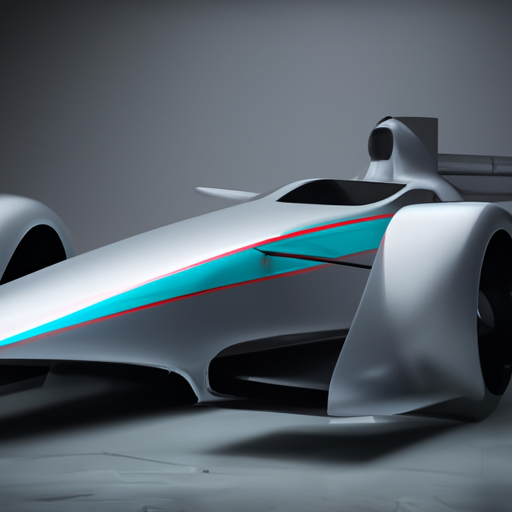
Formula 1 unveils groundbreaking regulations for 2025, introducing sustainable fuels and enhanced hybrid systems. Teams prepare for the most significant technical changes in F1 history as the sport embraces environmental responsibility. The new rules promise closer racing while reducing carbon footprint by 65%.
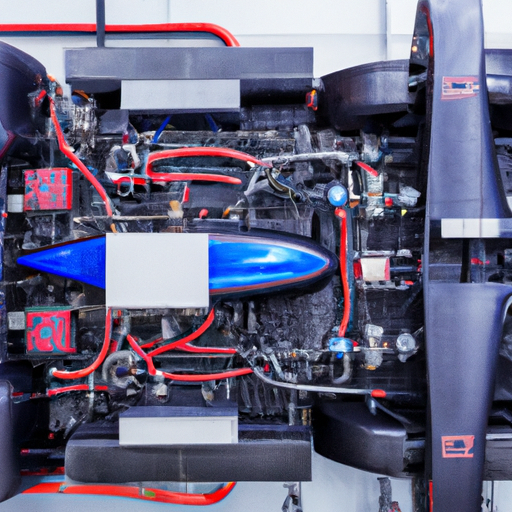
Formula 1 has announced its most ambitious regulatory overhaul to date, set to transform the sport from 2025 onwards. The new regulations represent a decisive shift towards sustainability while promising to maintain the high-performance spectacle that fans expect from motorsport's premier category.
At the core of the new regulations is a revolutionary power unit design that combines advanced hybrid technology with sustainable fuels. The traditional internal combustion engine will now run on 100% synthetic fuel, produced using captured carbon dioxide and renewable energy sources. This breakthrough technology has been developed in partnership with major fuel suppliers and could have significant implications for the wider automotive industry.
The hybrid system receives a substantial upgrade, with electrical power output increasing to 350kW, nearly double the current levels. The energy recovery systems have been redesigned to harvest power from all four wheels, maximizing efficiency while providing drivers with additional strategic options for energy deployment.
Aerodynamic regulations have been completely reimagined to promote closer racing while reducing the cars' environmental impact. The new design philosophy emphasizes ground effect aerodynamics, with simplified upper body surfaces reducing turbulent air in a car's wake. Wind tunnel testing suggests these changes will allow following cars to maintain up to 95% of their downforce, compared to the current 80%.
The chassis design incorporates sustainable materials extensively, with a minimum requirement of 25% recycled carbon fiber in their construction. Teams must also demonstrate a clear path to increasing this percentage over subsequent seasons. The move has sparked innovation in material science, with several teams already developing new composites that exceed the minimum requirements.
Weight reduction has been a key focus, with the minimum car weight dropping by 50kg compared to current specifications. This has been achieved through the use of advanced materials and more efficient packaging of components. The lighter cars are expected to be more agile and less demanding on tires, potentially reducing the number of pit stops required during races.
Tire development has also seen significant advancement. The new specification tires feature compounds derived from sustainable sources and are designed to operate in a wider temperature window. This should reduce the impact of temperature sensitivity on performance, leading to more consistent racing. The tire allocation per weekend will be reduced by 25%, reflecting F1's commitment to resource conservation.
The power unit regulations include strict limits on development costs and testing time, aimed at maintaining competitive balance while controlling spending. A new system of performance convergence will be introduced, allowing limited development opportunities for manufacturers who fall behind a defined performance window.
Safety innovations continue to be paramount, with the new chassis design incorporating enhanced energy absorption capabilities. The driver cockpit features improved protection against side impacts, while maintaining the effectiveness of the halo device. A new active safety system will use artificial intelligence to predict and prevent potential accidents.
The sporting regulations have also been modified to enhance the spectacle. Race weekends will feature a new qualifying format that combines traditional timed laps with head-to-head elimination rounds. Sprint races will be retained but with modifications to increase their strategic importance in the championship.
Teams have already begun allocating resources to develop their 2025 cars, with several manufacturers conducting extensive testing of the new power unit configuration. Early simulations suggest lap times could be maintained despite the focus on sustainability, thanks to the increased electrical power and improved aerodynamic efficiency.
The financial implications of these changes have been carefully considered. While initial development costs will be significant, the regulations include measures to control ongoing expenses. A cost cap specifically for sustainable technology development has been introduced, ensuring smaller teams can remain competitive.
The response from teams and manufacturers has been overwhelmingly positive, with several potential new entrants expressing interest in joining the sport. The sustainable technology focus has attracted increased sponsorship from companies looking to associate with environmentally responsible motorsport.
Fans can expect to see the first glimpses of 2025 car concepts in early 2024, as teams begin to reveal their interpretations of the new regulations. The technical challenges presented by these changes promise to spark another era of innovation in Formula 1, while demonstrating that high-performance motorsport can coexist with environmental responsibility.
As Formula 1 prepares for this transformative era, the 2025 regulations represent more than just technical changes - they mark a fundamental shift in the sport's approach to sustainability and its role in driving automotive innovation. The success of these regulations could influence the future of both motorsport and road car development for decades to come.