
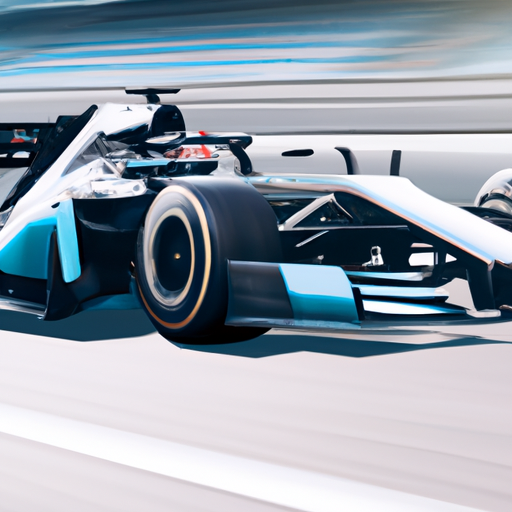
The 2024 Formula 1 season brings revolutionary technical regulations and two new team entries to shake up the grid. Teams are adapting to stricter sustainability requirements while maintaining peak performance. Our analysis delves into how these changes could reshape the championship battle.
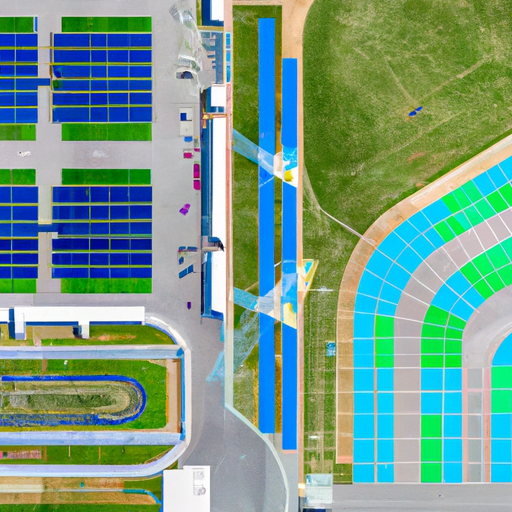
The 2024 Formula 1 season represents one of the most significant periods of change in the sport's recent history, with new technical regulations, enhanced sustainability requirements, and the arrival of new teams set to reshape the competitive landscape. This comprehensive analysis explores the key changes and their potential impact on the championship.
Technical Regulation Changes The 2024 season introduces stricter aerodynamic regulations aimed at promoting closer racing while reducing the cars' environmental impact. The new rules focus on simplified front wing designs and modified floor geometry to reduce turbulent air behind cars, potentially enabling more overtaking opportunities. Teams have also been required to increase the proportion of sustainable materials in car construction, with a minimum requirement of 25% recycled or bio-based components.
New Power Unit Requirements Engine manufacturers face new challenges with increased renewable fuel requirements and stricter efficiency standards. The mandatory use of 100% sustainable fuels has forced teams to recalibrate their power units while maintaining performance. Early testing data suggests minimal power loss despite the fuel changes, demonstrating the impressive adaptability of F1 engineering.
Grid Expansion The arrival of two new teams expands the grid to 22 cars for the first time since 2016. The addition of these teams brings fresh investment, new technical partnerships, and increased competition to the sport. Both newcomers have demonstrated promising pace in pre-season testing, suggesting they could challenge the midfield teams from the outset.
Sustainability Initiatives Formula 1's commitment to achieving carbon neutrality by 2030 has led to enhanced sustainability requirements across all aspects of racing operations. Teams must now meet strict targets for renewable energy use in facilities, reduction in single-use plastics, and transportation efficiency. The paddock has transformed with solar-powered infrastructure and electric vehicle support services.
Competitive Implications The regulation changes have created opportunities for teams to find innovative solutions within the new constraints. Early season testing suggests a potentially closer performance gap between teams, with several midfield outfits showing improved pace relative to the front-runners. The championship battle could be more unpredictable than in recent years.
Driver Market Dynamics The expanded grid has created new opportunities for emerging talent, with several promising young drivers securing seats with the new teams. The driver market has become more dynamic, with established stars facing increased competition from the next generation of racers.
Technological Innovation Despite stricter regulations, teams continue to push the boundaries of innovation. New developments in hybrid systems, aerodynamic efficiency, and sustainable materials demonstrate Formula 1's role as a technological pioneer. Several innovations have direct applications for road car development.
Fan Experience Enhancements The 2024 season introduces new broadcast technologies and enhanced digital engagement platforms. Improved camera angles, augmented reality graphics, and real-time technical data provide fans with deeper insight into the sport's complexity.
Economic Impact The expansion of the grid and increased sustainability focus has attracted new sponsors and partners to Formula 1. The sport's global audience continues to grow, particularly in emerging markets, driving increased commercial revenue and team valuations.
Conclusion The 2024 Formula 1 season marks a pivotal moment in the sport's evolution, balancing traditional competition with modern sustainability requirements. The combination of technical changes, new teams, and enhanced environmental focus creates an intriguing narrative for the championship. As the season unfolds, the true impact of these changes will become apparent, potentially reshaping the future of motorsport.